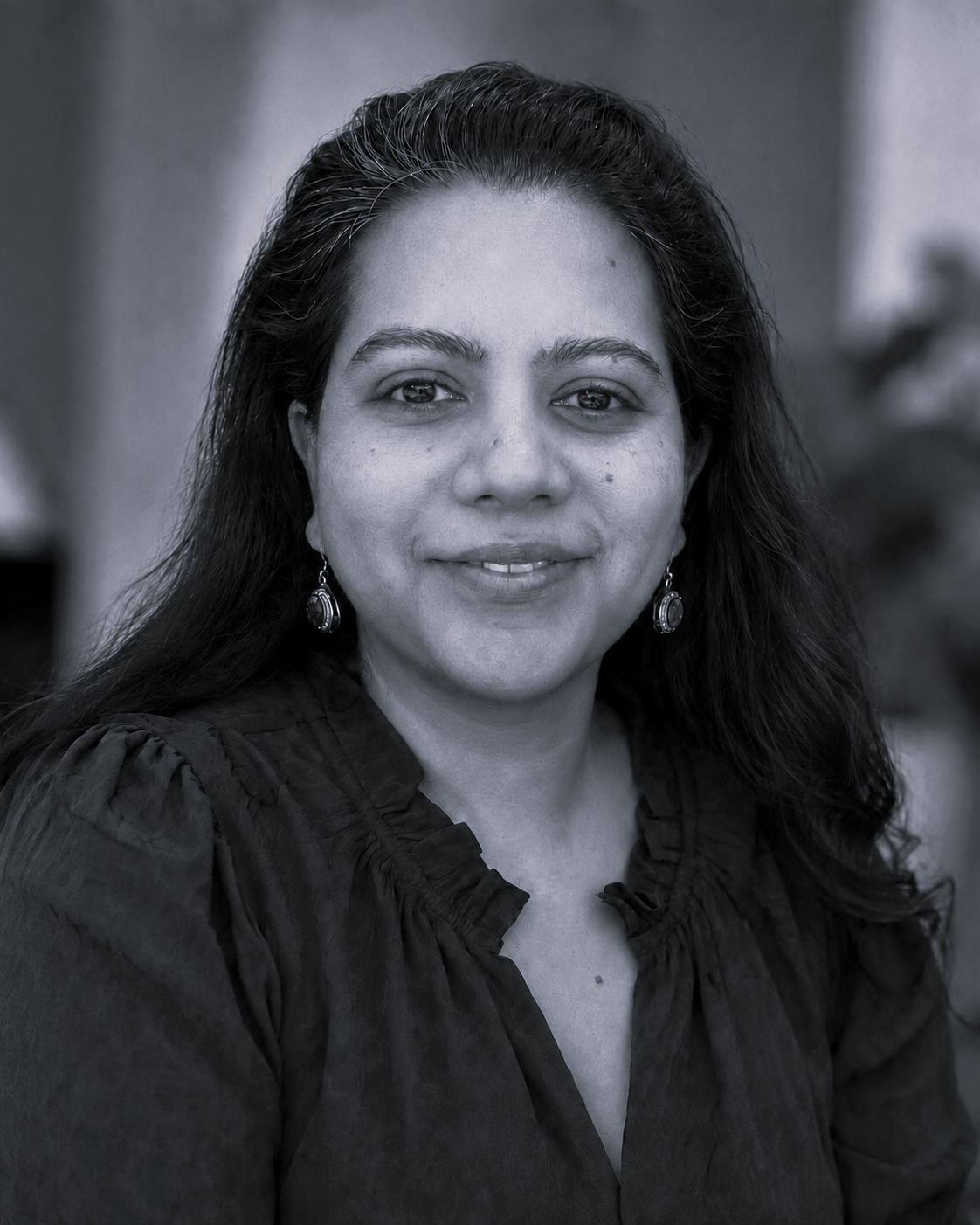
Udita Sanga
Systems Scientist | Educator | Artist
Food · Ecology · Climate · Adaptation · Transformation
Connecting people, ecologies, knowledge, and systems
Assistant Professor
Food Systems, Climate & Sustainability

Johar!
I am an interdisciplinary systems scientist with an MS degree in Ecology and a dual PhD degree in Community Sustainability and Environmental Science & Policy. My research examines how food and agricultural systems evolve in response to environmental, climatic, and societal pressures.
I study how individuals and communities make decisions amid climate, market, and livelihood uncertainty, and how these decisions interact with policies, institutions, knowledge, and ecological conditions to shape outcomes such as food security, poverty, ecological degradation, and agroecological diversity.
I am particularly interested in the role of agency, knowledge, and relationships with land and ecology in shaping these trajectories. Specifically, questions around what is gained, lost, or transformed along the way, and how more resilient, equitable, and sustainable futures can be collectively envisioned and developed.
My interdisciplinary training allows me to draw on theories, methods, and tools across the social and ecological sciences, from field experiments, surveys, and qualitative inquiry to simulation games and participatory modelling. I bring quantitative and qualitative evidence together through systems science approaches, including mental models, systems mapping, system dynamics, and agent-based modelling, to reveal interactions, feedbacks, and emergent patterns that may otherwise remain difficult to see.
By connecting place-based empirical knowledge with systems thinking and modelling, I seek to generate broader insights for policy and transformative change. Throughout, my work is grounded in partnerships that recognize communities as knowledge holders and co-creators in imagining more resilient and just food futures.
FEATURED WORK
Research |
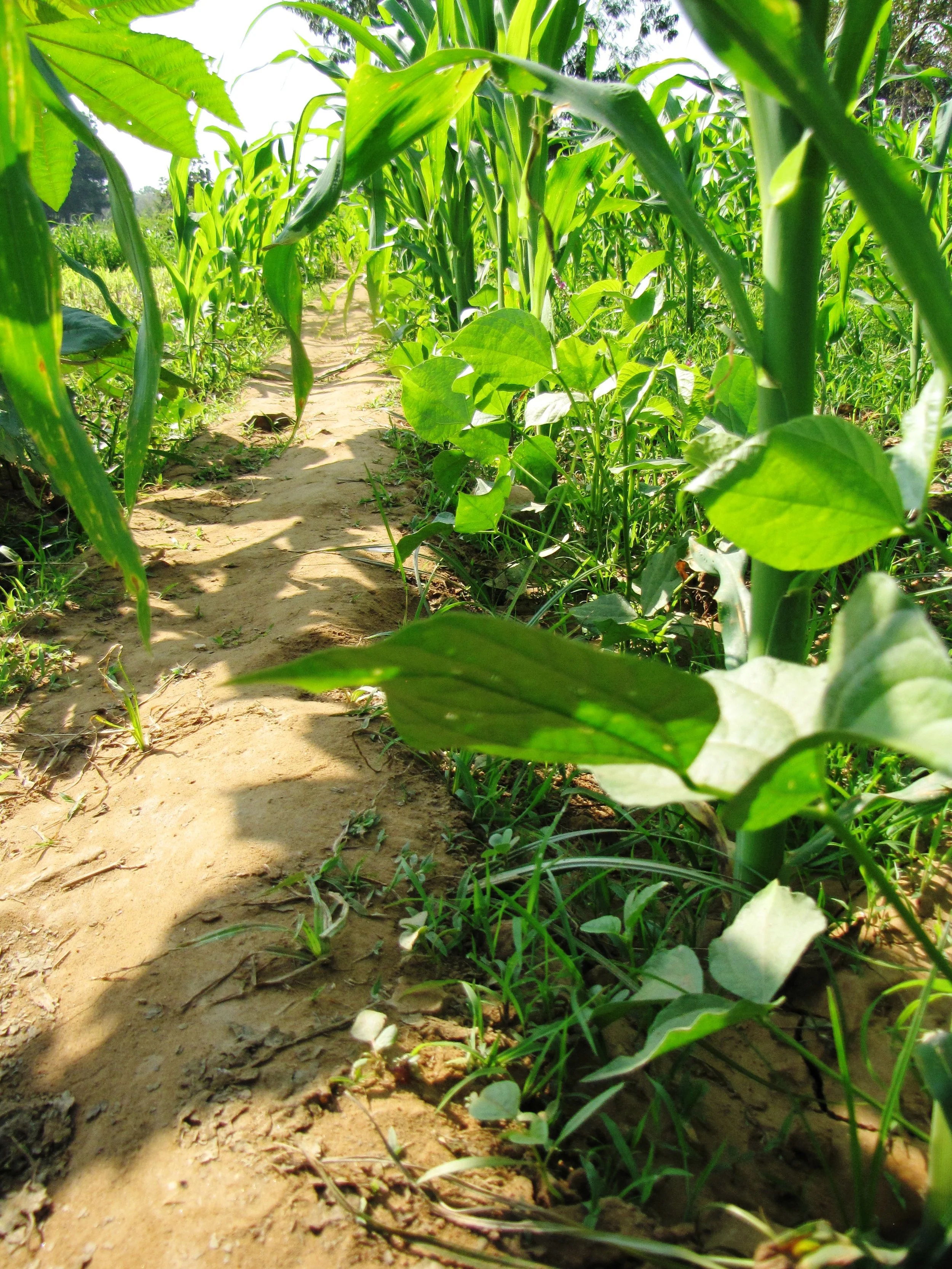
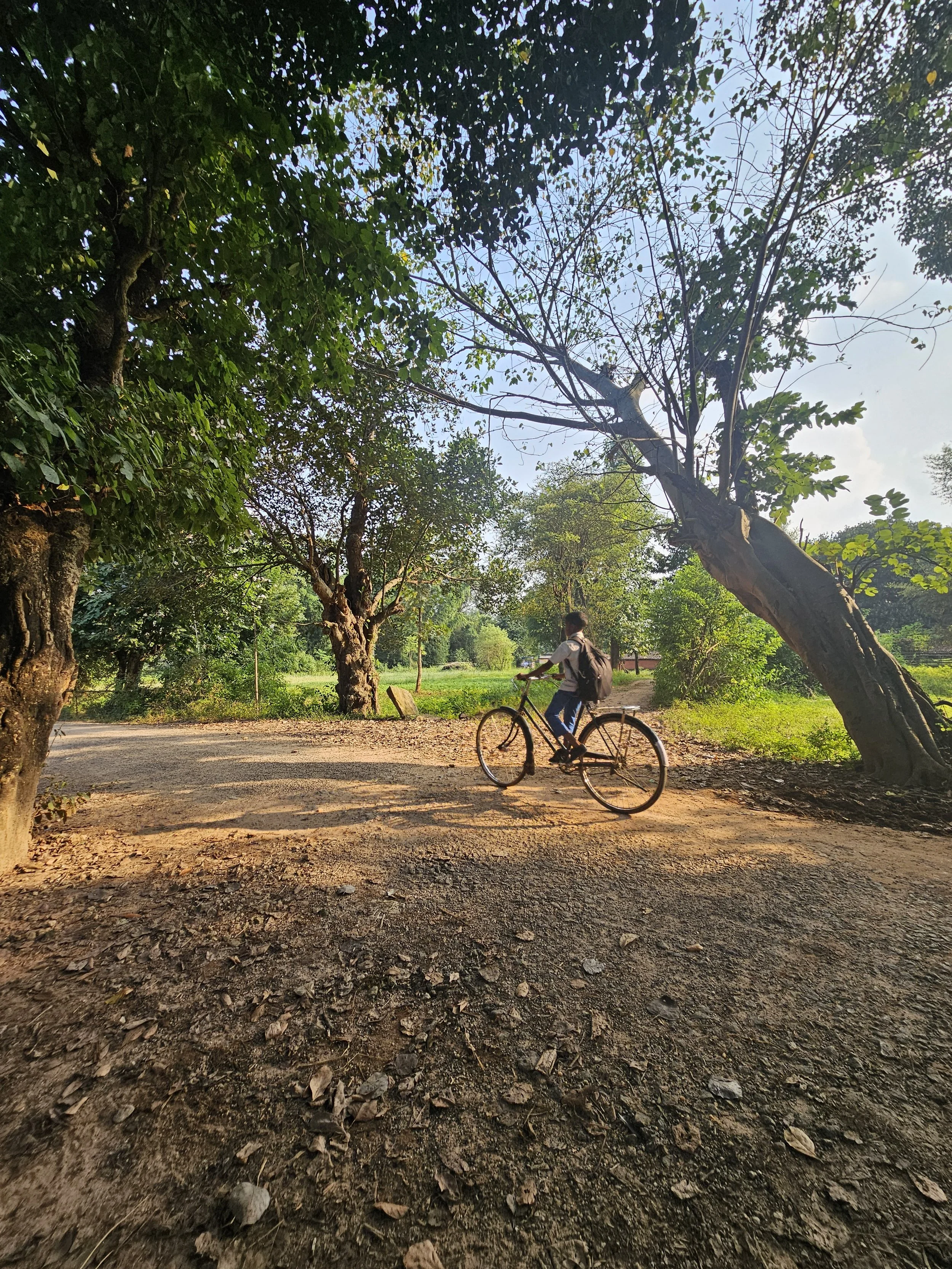
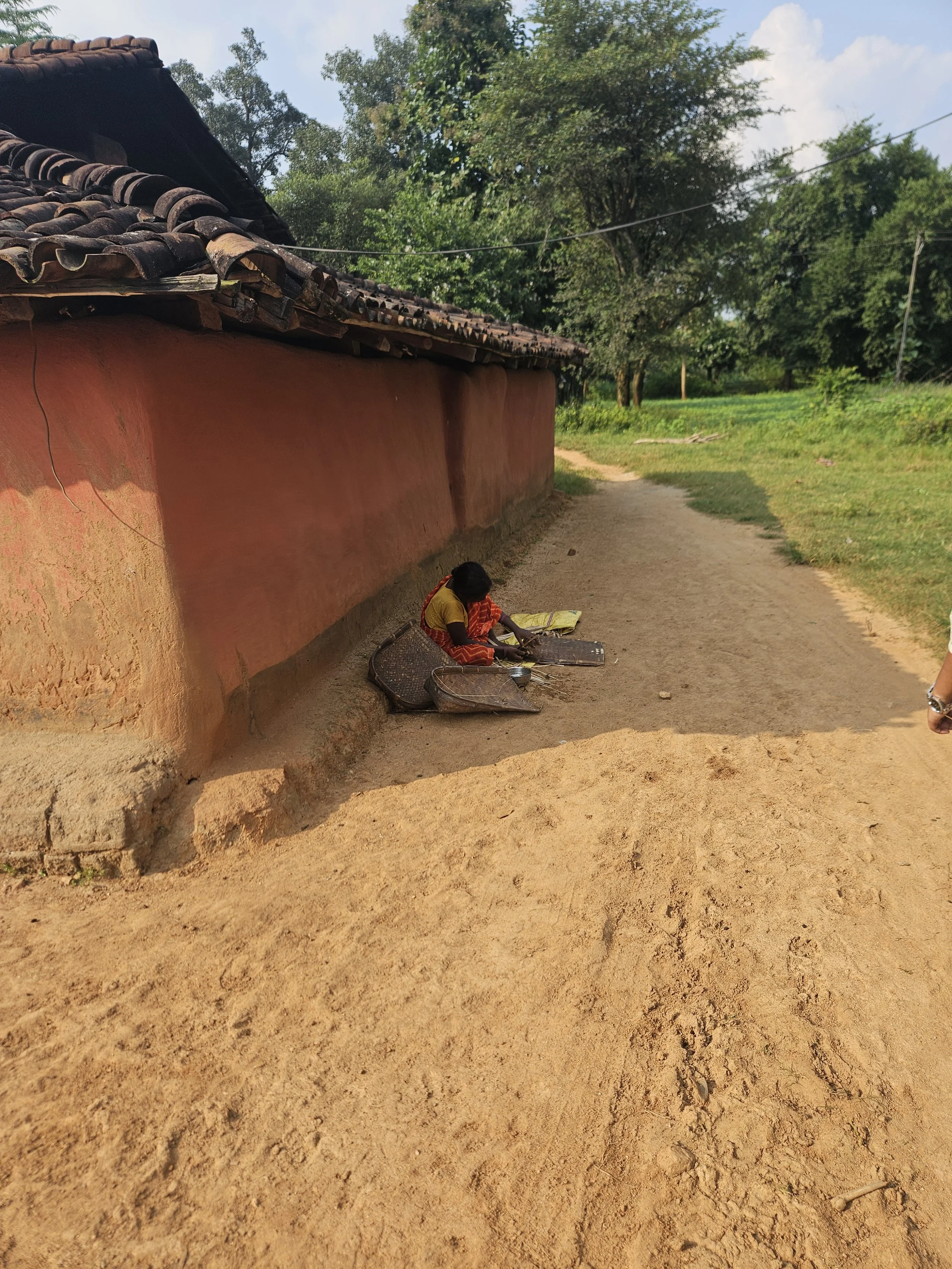
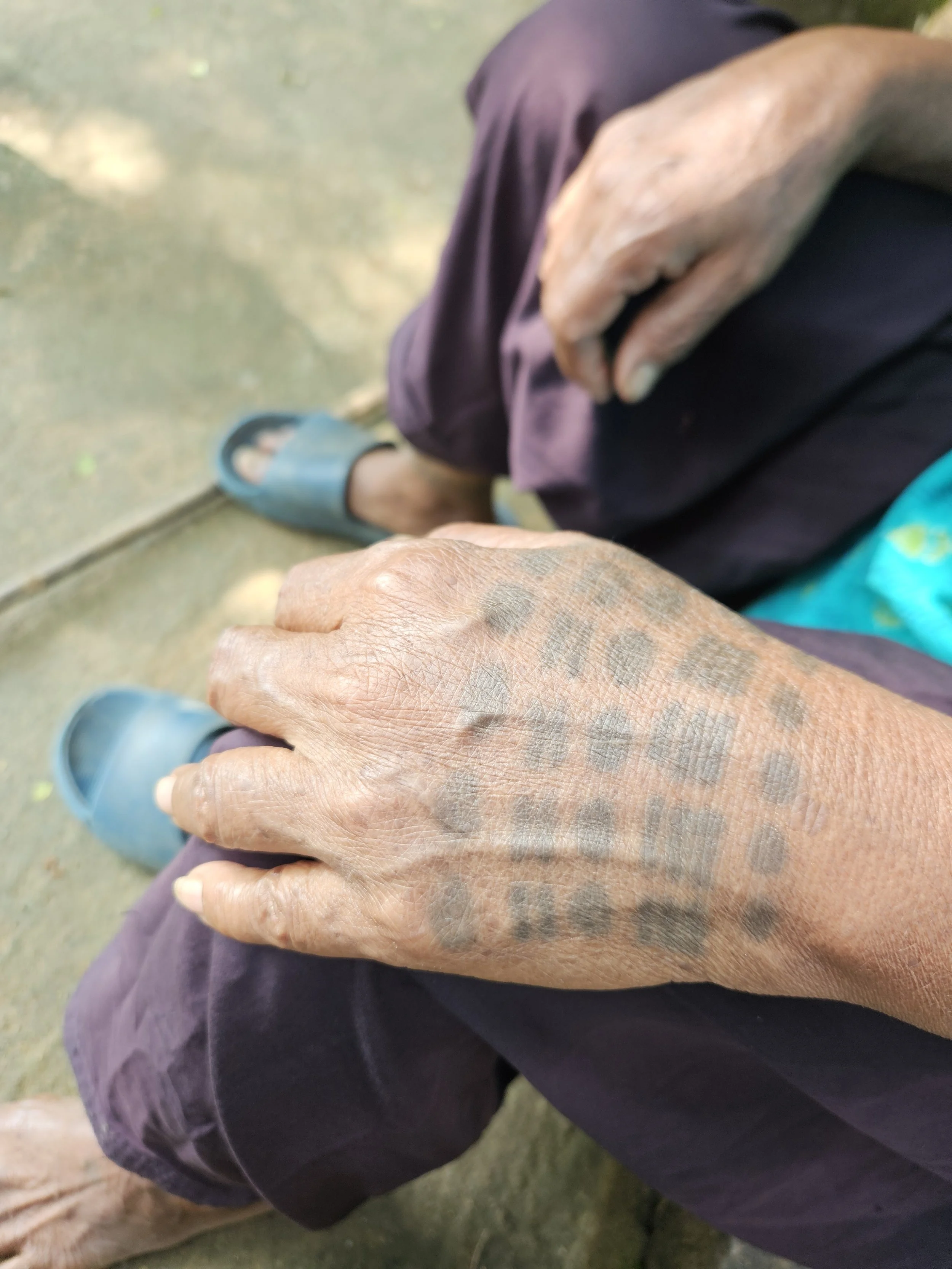
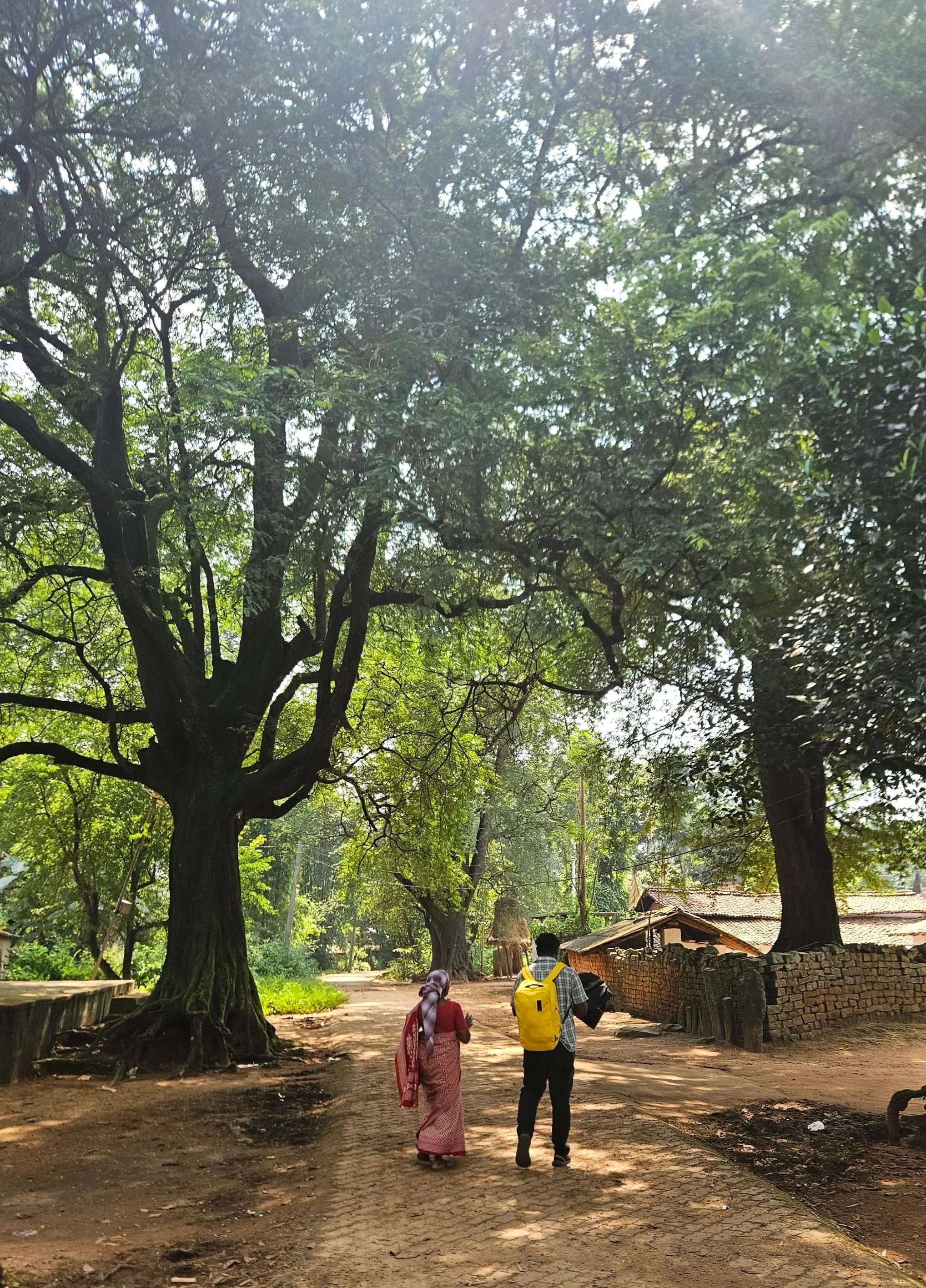
Adivasi (Indigenous) foodways, social-ecological change, and transmission of intergenerational knowledge in Jharkhand, Eastern India
This project, initiated in September 2024, forms the first phase of a larger research program that focuses on bringing indigenous voice, knowledge, and practice into policies and interventions on food security, agricultural development, climate adaptation, and mitigation in India.
This phase brings to light the deep and complex foodways of Indigenous communities (Munda, Santhal, Oraon, and Ho) in Jharkhand and the biocultural ecologies and relational values that underpin them. It examines the cultural, medicinal, and nutritional dimensions of how foods are cultivated, gathered, processed, prepared, and consumed.
The project explores these foodways through the lens of intergenerational knowledge transmission, drawing on oral histories and social-ecological mapping to understand how food knowledge is practiced, shared, adapted, and sustained across generations. Systems thinking provides an integrative lens for synthesizing these diverse forms of knowledge and tracing the relationships among food, culture, ecology, health, and social-ecological change.
Interested to know more? Explore my research →
Systems in Practice |
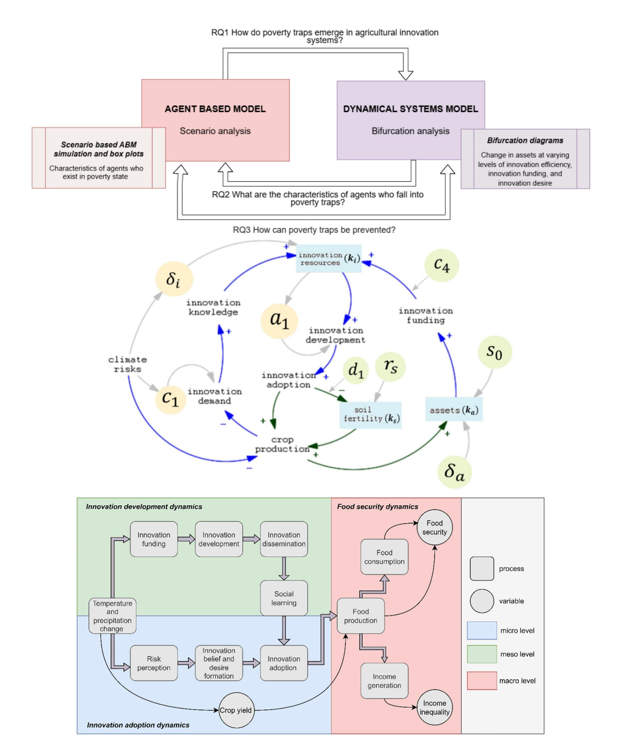
Computational systems modelling to understand how certain agricultural innovations, instead of improving food security, can lead to poverty traps
This research brought together several years of empirical research and computational modelling that I conducted in Mali, West Africa, centered on a persistent question: why does food insecurity remain widespread in sub-Saharan Africa despite decades of agricultural interventions and innovations intended to improve farmers’ food security and well-being? Drawing on this work, I developed an agent-based model of agricultural innovation that represents processes of innovation development, dissemination, and farmer adoption. In this paper, we bring the model into dialogue with dynamical systems modelling to examine how agricultural innovations interact with farmer decision-making, resource constraints, and ecological dynamics over time.
Together, the two modelling approaches provide complementary lenses on the same system, revealing how initially beneficial innovations can alter production and resource-use patterns in ways that generate unintended feedbacks among livelihoods, food security, and environmental conditions. We use the models as experimental tools to investigate when and why poverty traps emerge, identify thresholds and trade-offs that may be difficult to observe empirically, and explore interventions that could shift the system toward more sustainable trajectories. Read article →
Community engagement |
My community-engaged work seeks to create an ongoing exchange between research, lived experience, and public storytelling. Through conversations and collaborative documentation, community knowledge and experiences inform the research; emerging stories and insights are then translated into accessible visual and narrative forms that can circulate beyond academic publications.
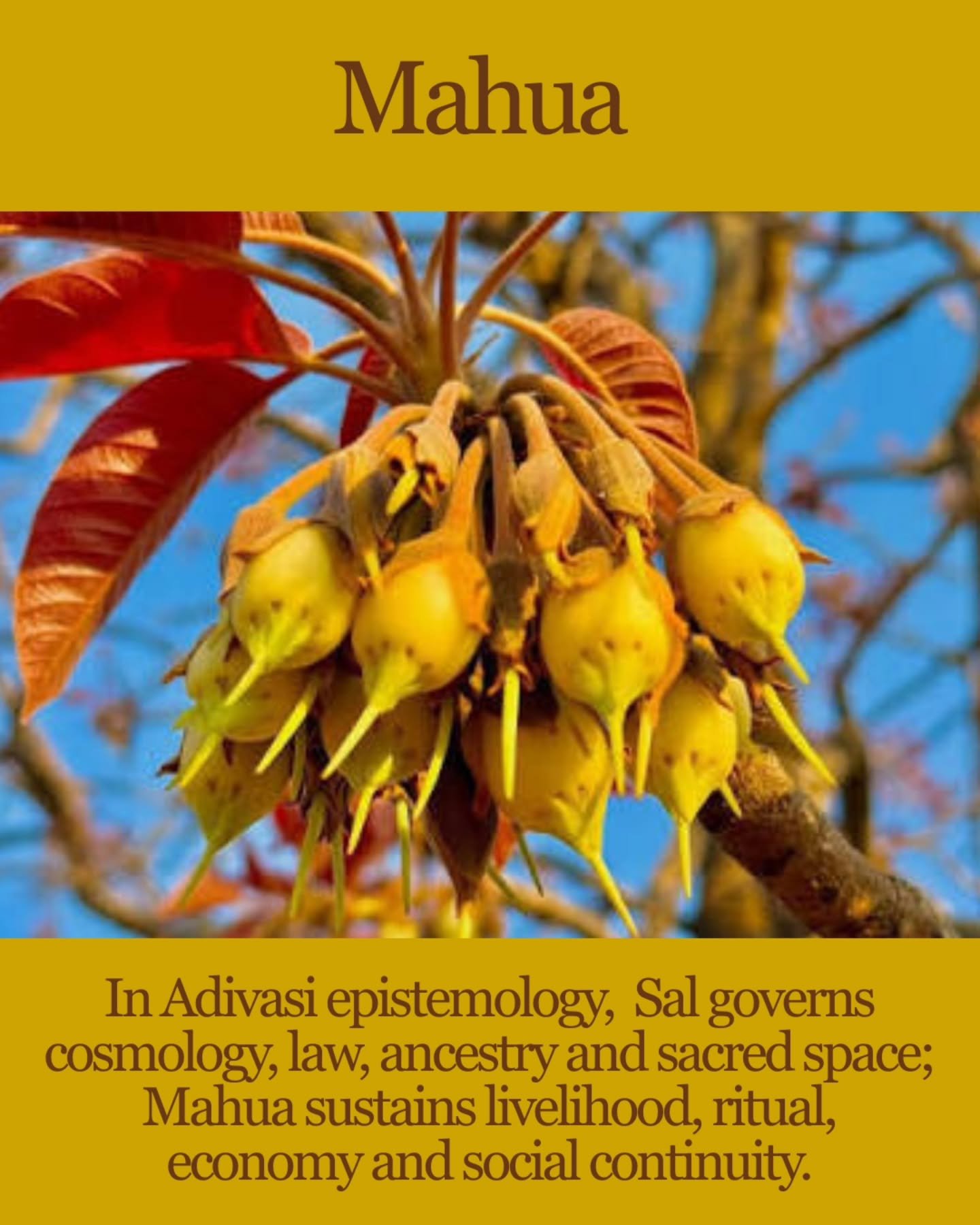
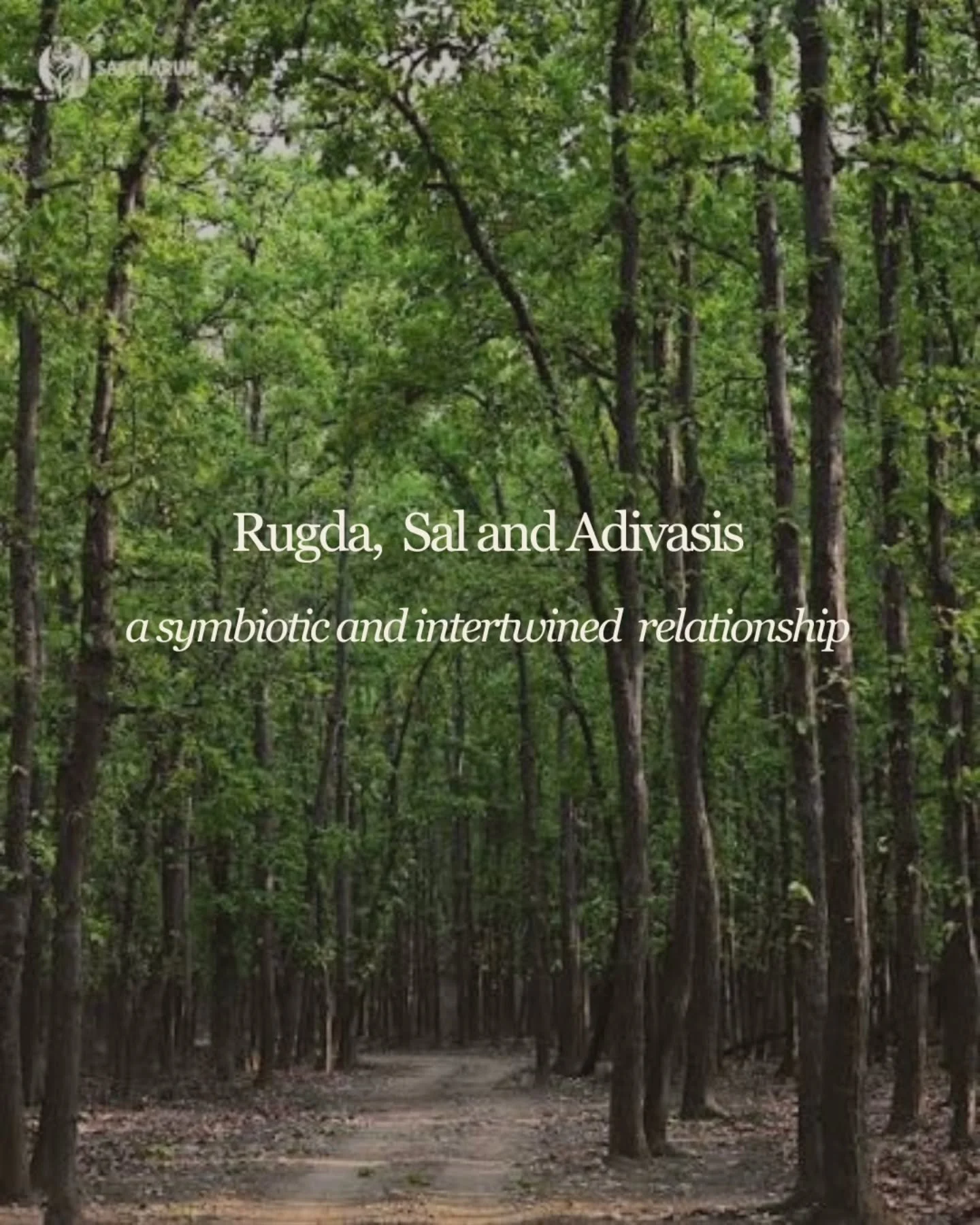
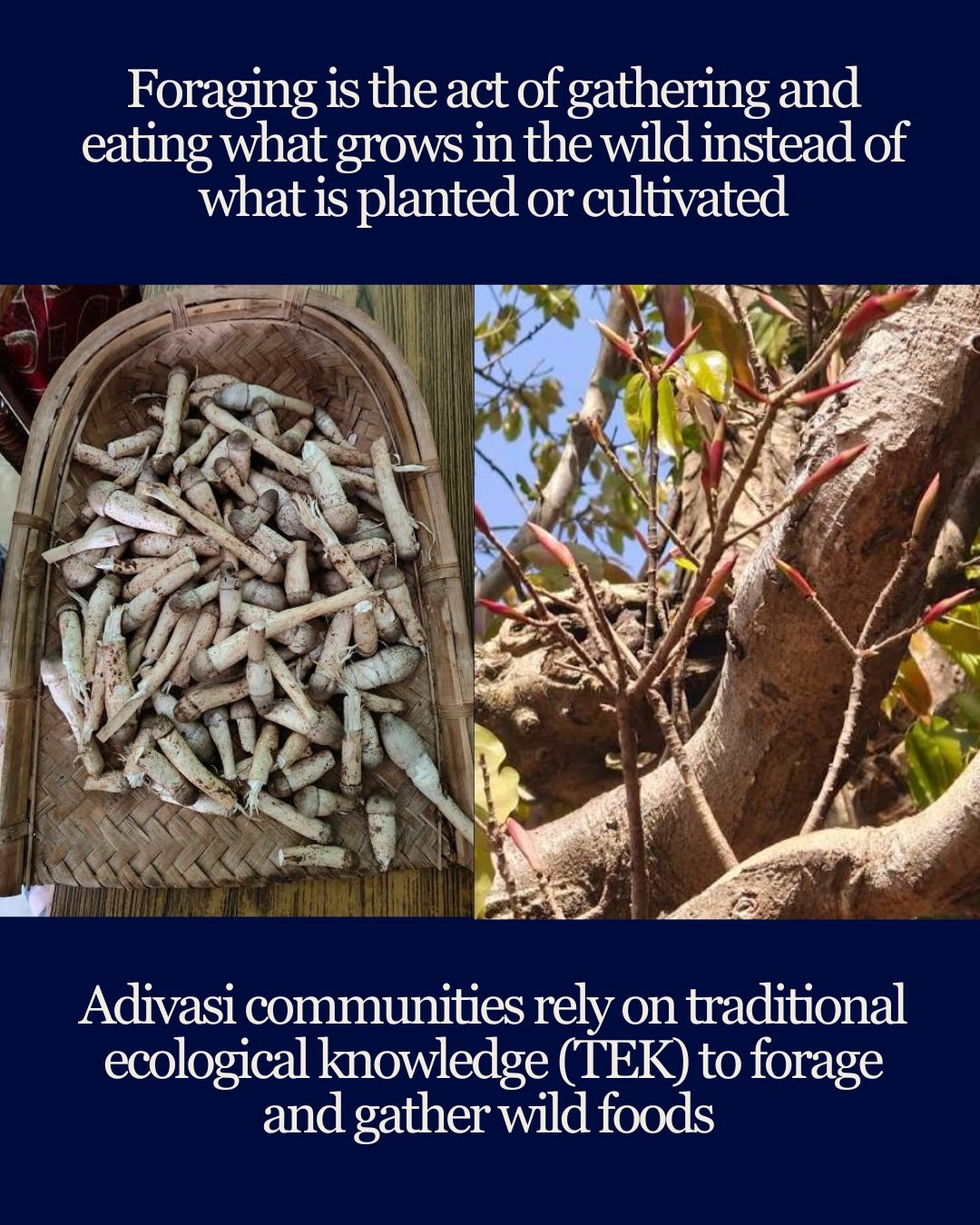
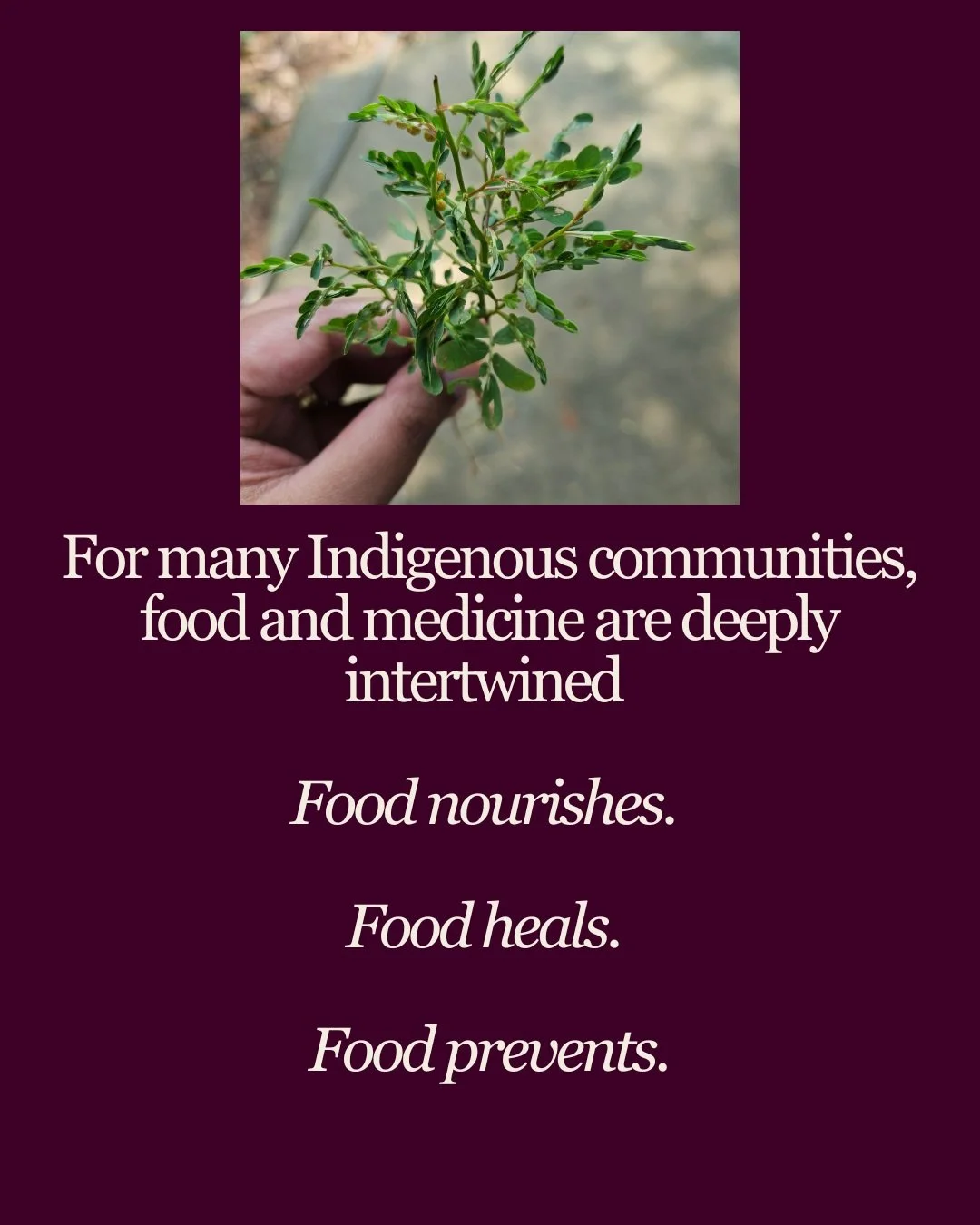
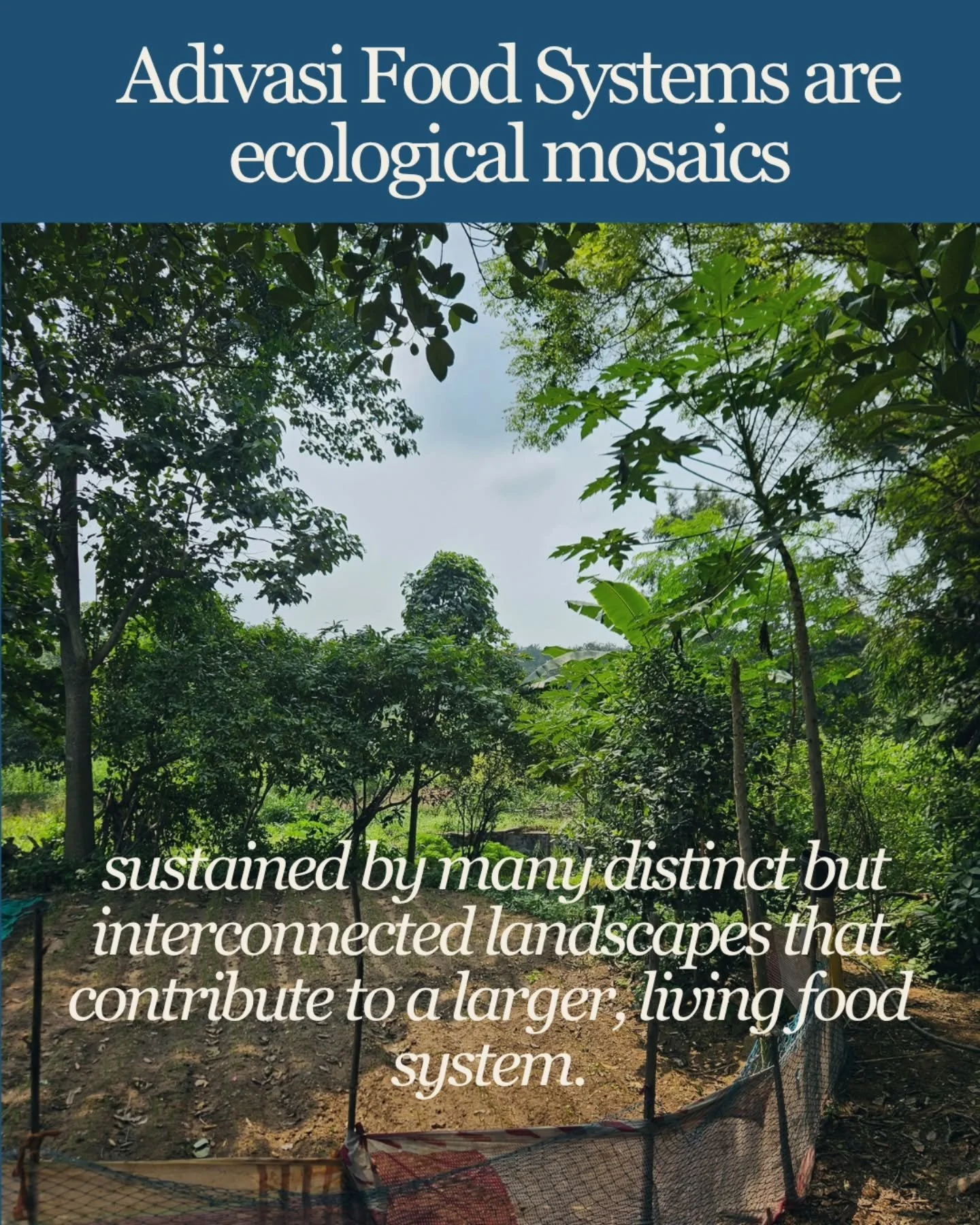
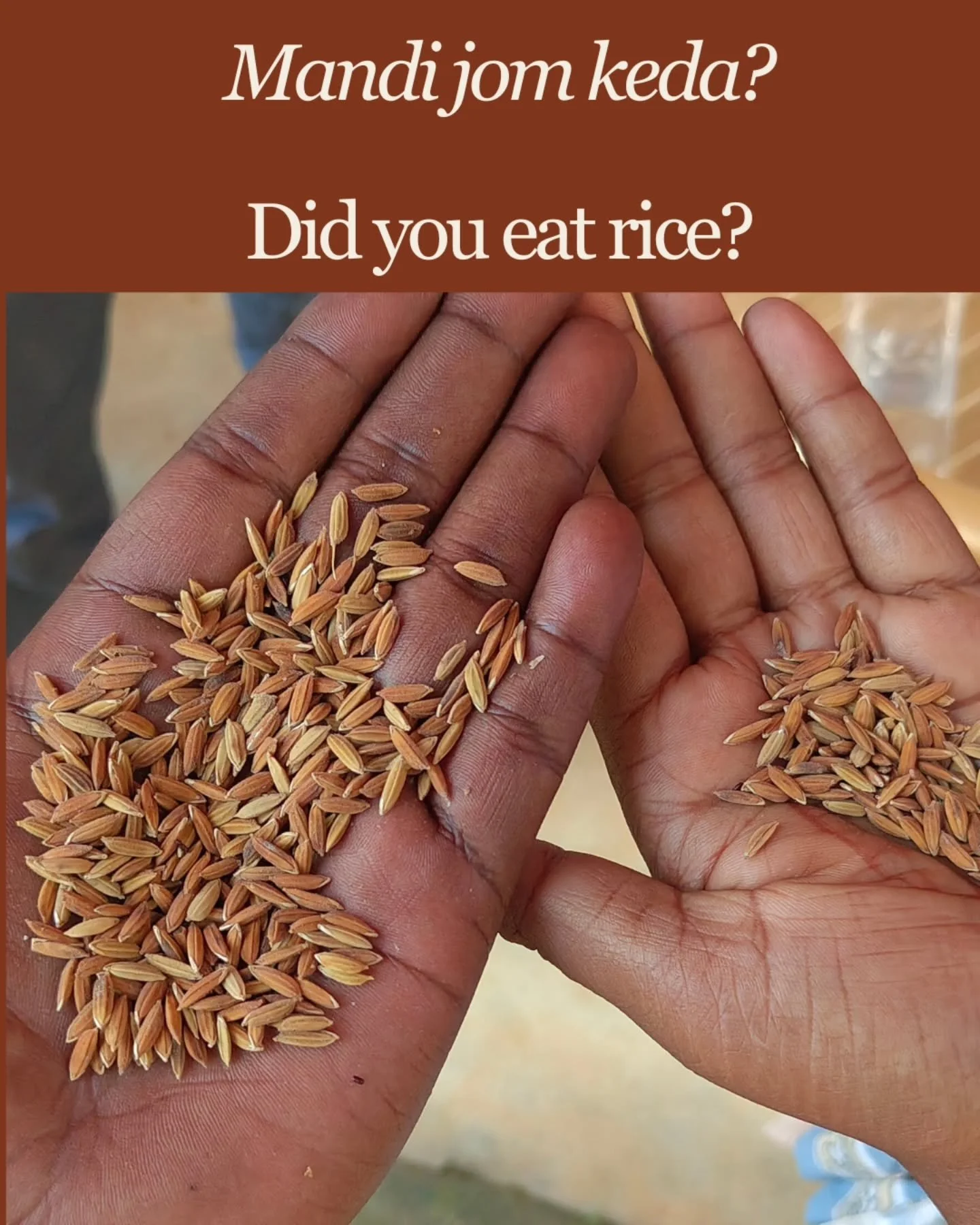
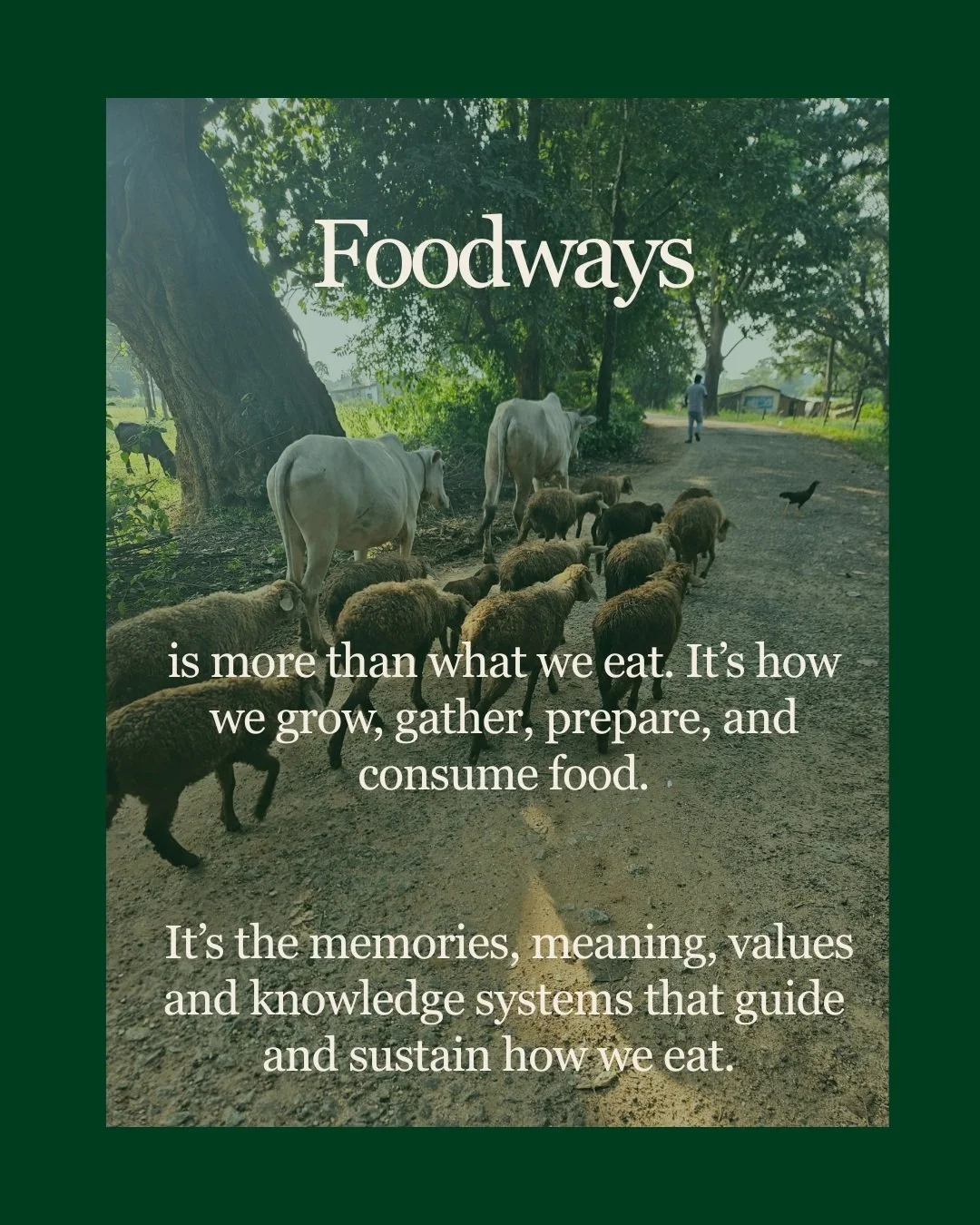
Explore our engagement with communities in Adivasi Foodways project on Instagram where we:
Listen & learn—Conversations with elders, farmers, and community knowledge holders.
Document—food practices, ecological knowledge, oral histories, landscapes, and experiences of change.
Share—translating research and community knowledge into accessible stories, photographs, illustrations, and other public-facing formats.
Continue the conversation—using these materials to support dialogue across generations and between communities, researchers, and wider audiences.
Visual field notes |
Research is one way of understanding the world. Writing, drawing, mapping, listening, and storytelling are others. I am interested in the spaces between these forms of knowledge and in how they can help us see food systems, landscapes, and possible futures differently.